A summer fruit of the bushveld, and the small kernels inside its stone.
Tree
Sclerocarya birrea
Grows
Southern and East Africa
Fruit
Late summer
Oil from
The kernels
The marula is a tree of the African savanna. In South Africa it grows across the warm bushveld of the north and east, and it’s found from here up into East Africa. Trees are either male or female, and only the female trees bear fruit.
The fruit ripens in late summer. It falls while still green and turns yellow on the ground, with a thick skin, juicy, sharp-sweet flesh and a strong smell. People eat it fresh and make it into jam and drinks, and animals from elephants to antelope eat it too.
From stone to oil
Once the flesh is eaten or removed, the hard stones are dried.
Each stone holds a few small, oily kernels behind little lids in its shell. Getting them out is slow work, often still done by hand.
The kernels are pressed, usually without heat, and the oil is filtered.
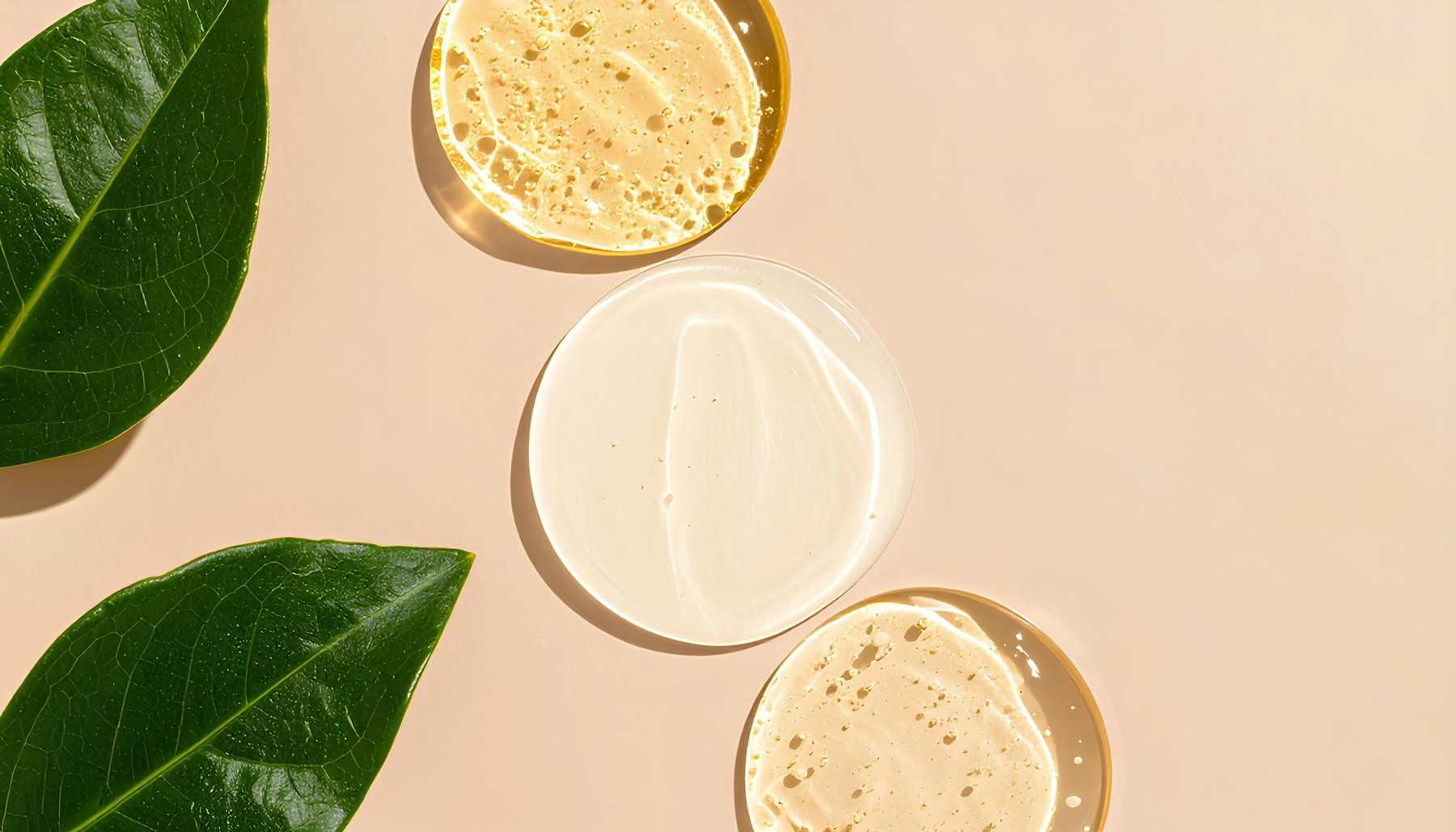
Marula oil is pale yellow with a mild, slightly nutty smell. Most of its fat is oleic acid, the same fatty acid that makes up most of olive oil, and it keeps well compared with many plant oils. It’s used on skin and hair, and in some places the kernels are also eaten.
Buying and keeping
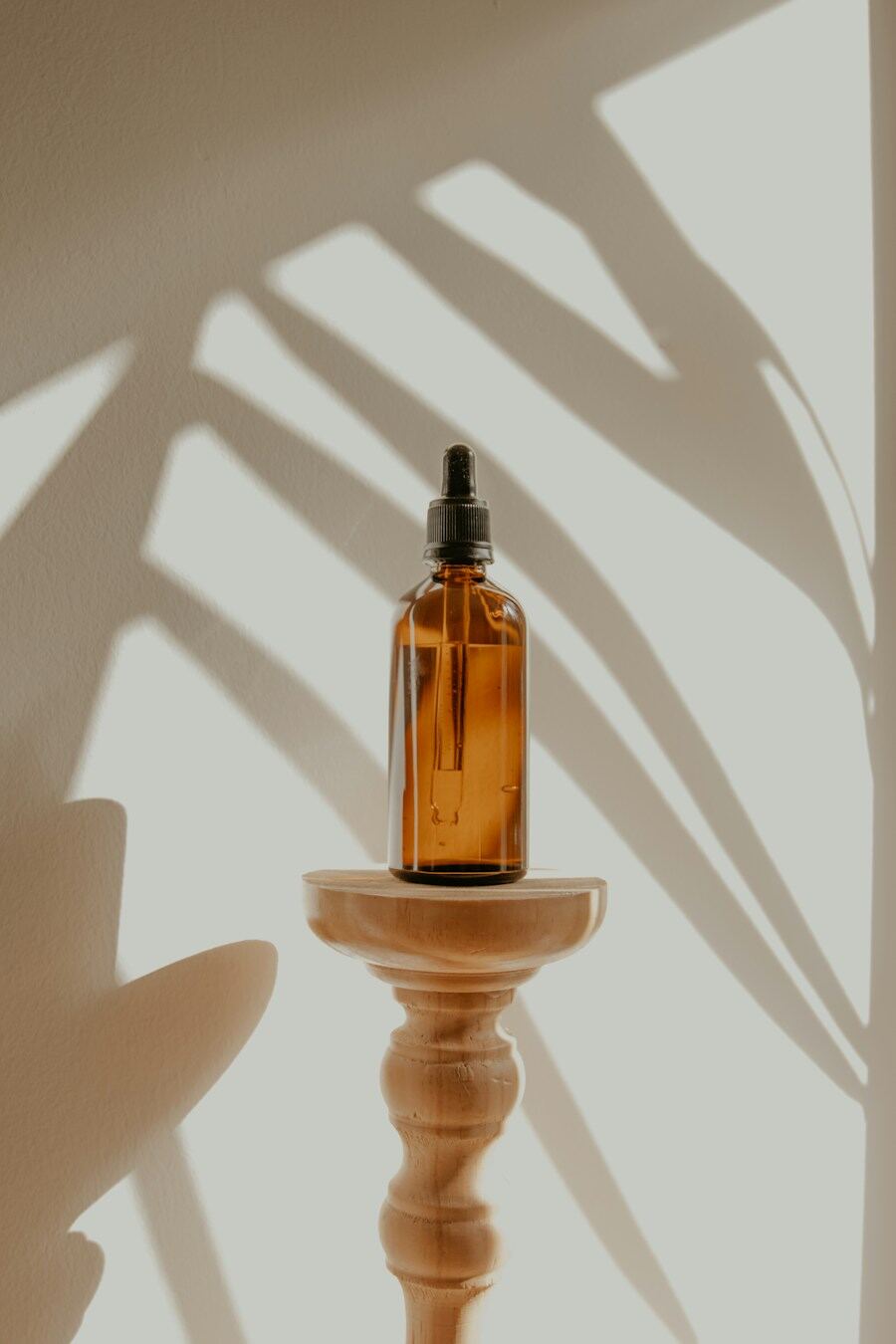
Look for cold-pressed oil in a dark glass bottle, and keep it out of the sun. Like any oil, it slowly goes off once it’s exposed to light, heat and air.