Why bars go soft, and the few habits that keep one going for weeks longer.
Main reason
Sitting in water
Dish
One that drains
Handmade bars
Softer, cure for weeks
Last sliver
Press onto the new bar
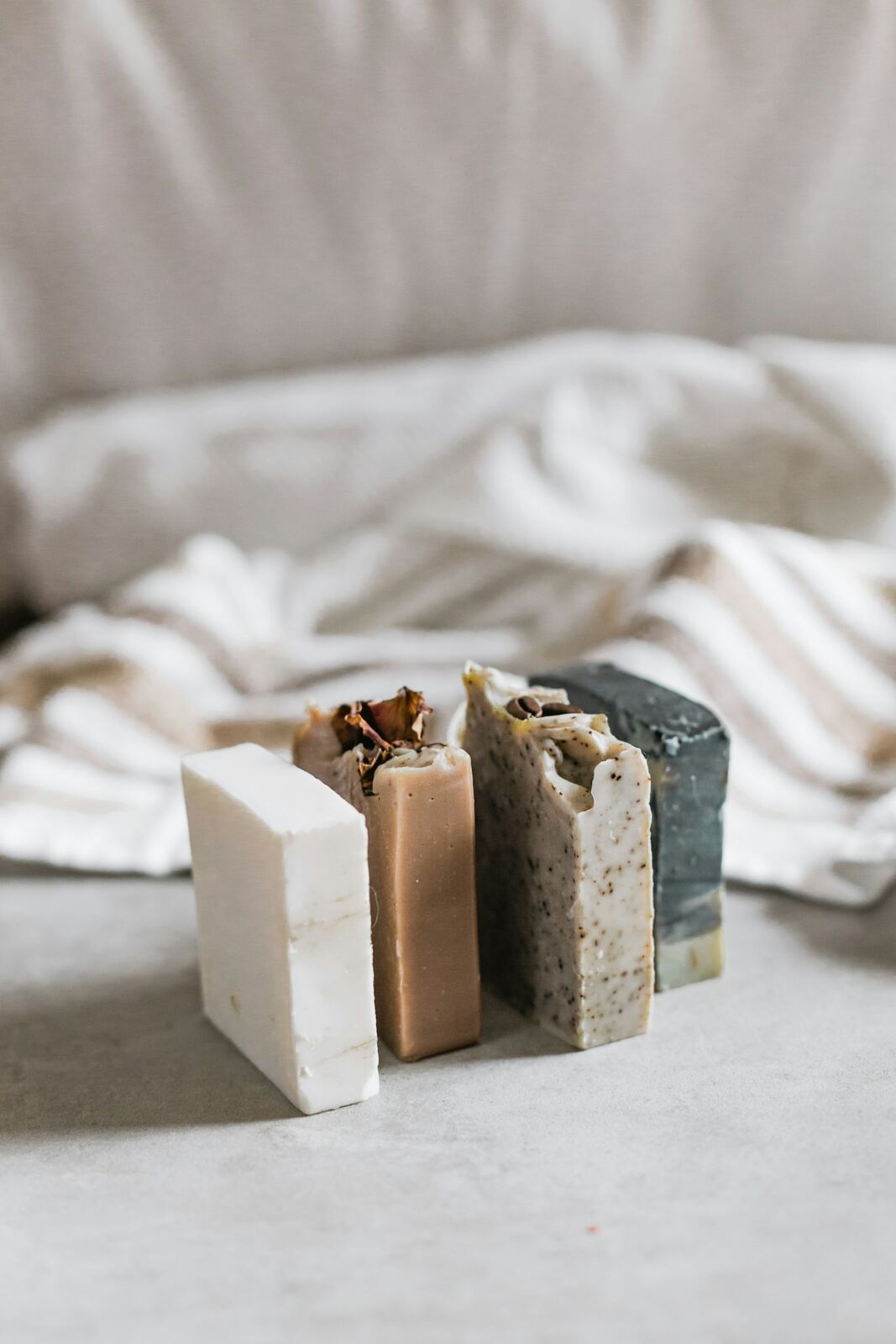
Soap is made by mixing fats or oils with lye, an alkali, which turns them into soap and glycerin. That reaction is called saponification. Many handmade bars are made by the “cold process” method and then left to cure for several weeks, so they harden as water evaporates. They usually keep their glycerin too, which makes them gentler and a little softer than most shop-bought bars.
Whatever the bar, the main reason it disappears quickly is water. Soap that sits wet softens and slowly dissolves, and a bar left in a puddle can lose a surprising amount between uses.
Habits that help
Use a dish that drains, with ridges or slats, so the bar sits above the water rather than in it.
Keep it out of the spray of the shower.
Let it dry between uses. In a busy bathroom, two bars used in turn last longer than one.
Cut a large bar in half and use one half at a time.
Keep spare bars somewhere dry and airy, unwrapped. They go on hardening, and a harder bar lasts longer.
The last sliver
When a bar gets thin, wet it and press it onto the back of the new one. After a day or two the two pieces set together.
The same habits work for shampoo and conditioner bars, which wear down faster if they’re left wet.