A thicket plant of the Eastern Cape that elephants eat, people grow from cuttings, and the climate story has adopted.
Plant
Portulacaria afra
Native to
Eastern Cape thicket
Grows from
Cuttings
Water
Very little
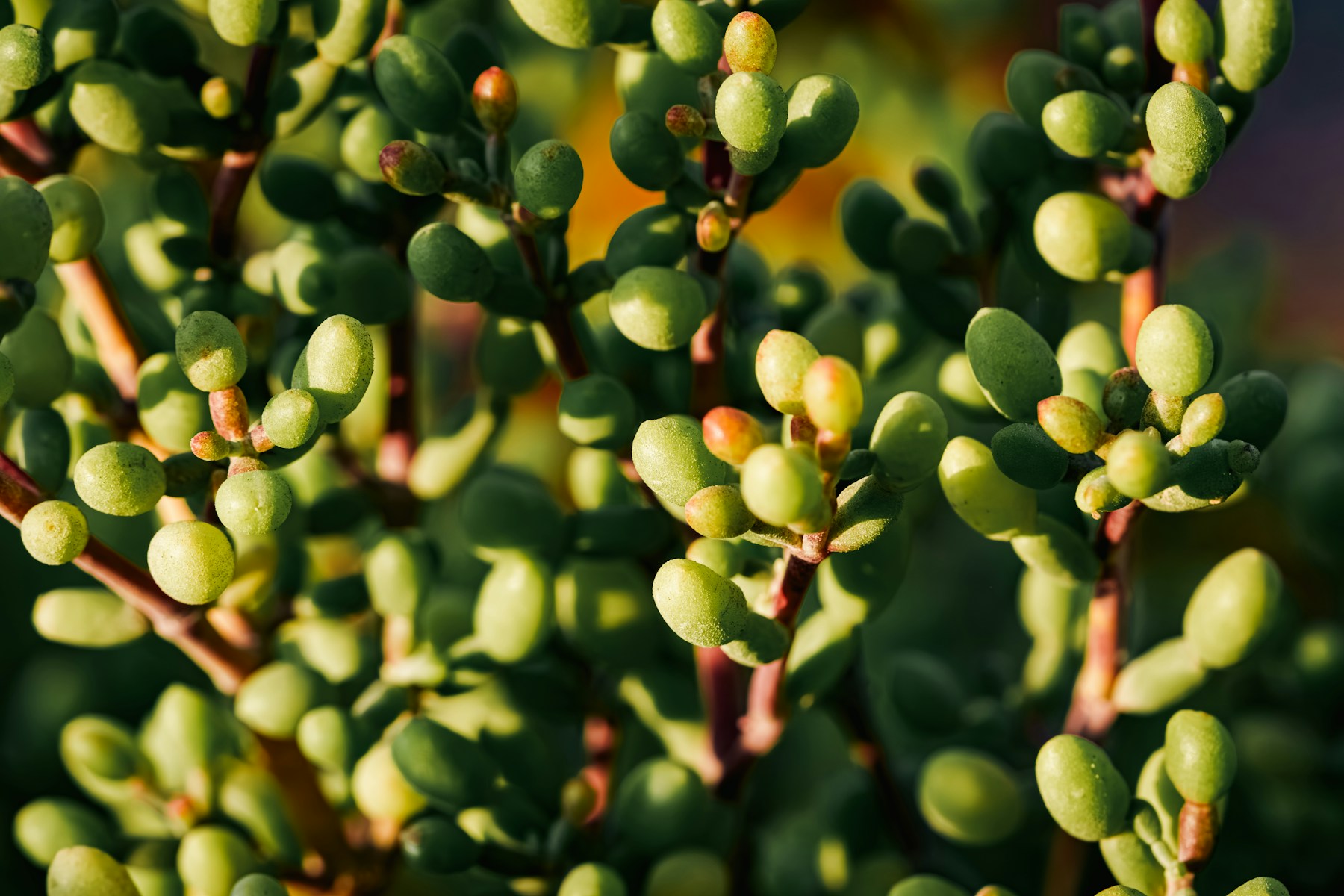
Spekboom is a succulent shrub with small, round, fleshy leaves on reddish-brown stems. It’s native to South Africa, where it’s most at home in the dense subtropical thicket of the Eastern Cape. The name means “bacon tree” in Afrikaans; in English it’s also called elephant’s food, because elephants eat a great deal of it. So do kudu, goats and tortoises.
The leaves are edible too. They taste lemony and slightly sour, and some people add them to salads.
How it copes with drought
Most plants open the pores in their leaves during the day to take in carbon dioxide, losing water as they do. Spekboom can switch to a water-saving method, opening its pores at night instead, when it’s cooler, and storing the carbon dioxide until daylight. That flexibility is part of why it survives long dry spells.
The carbon story
Spekboom is often described as a “carbon sponge”, and it’s planted in projects to restore thicket that has been damaged by overgrazing. How much carbon it stores depends a great deal on where it grows and how old the thicket is. A few plants in a garden won’t change much on their own, but they’re easy to grow and need little water.
Growing it
Cut a piece of stem about the length of your hand and leave it somewhere shady for a few days to dry at the cut end.
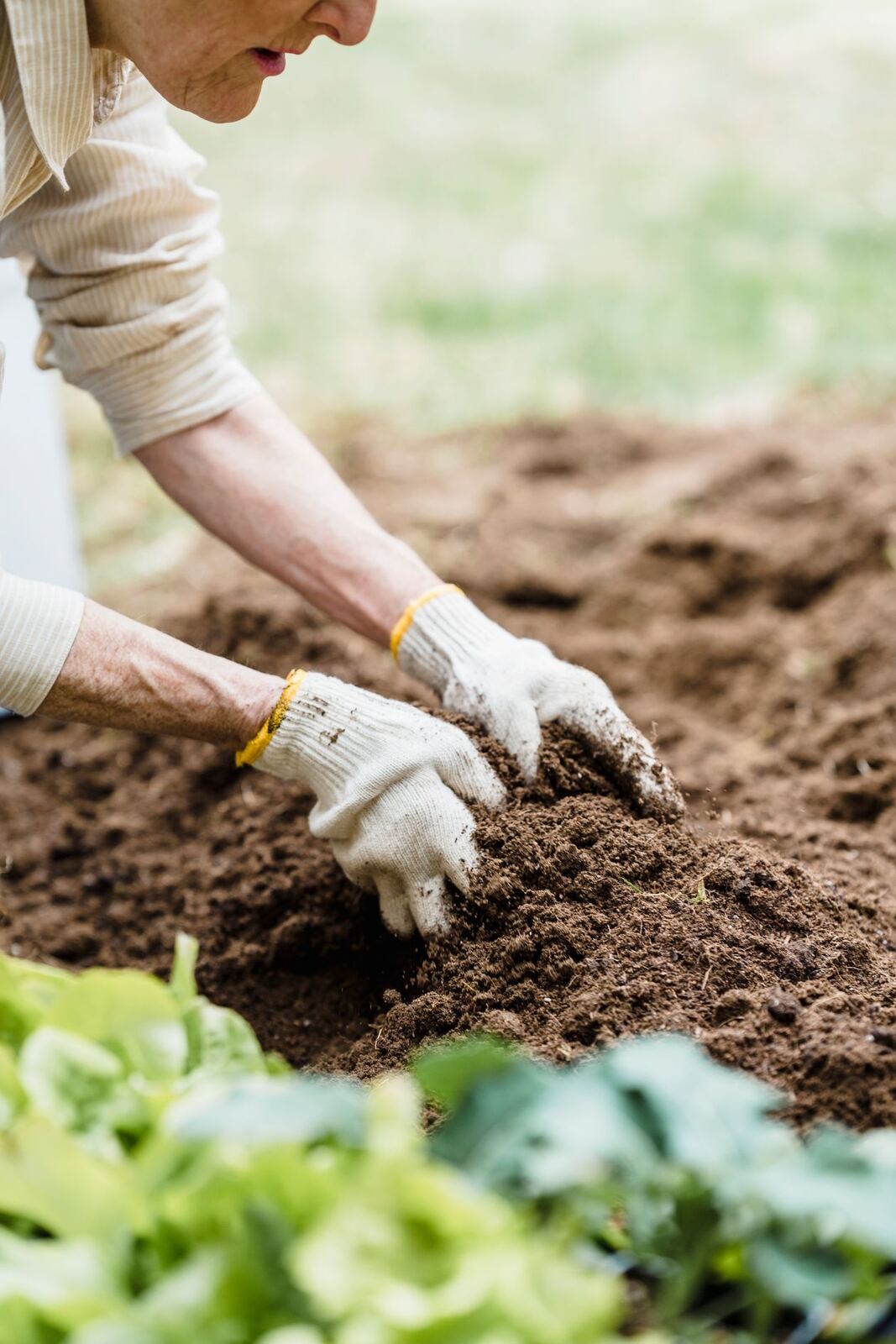
Push it into well-drained soil or a pot with sandy mix.
Water lightly, then let the soil dry out between waterings. Too much water is a bigger risk than too little.
Give it sun. It grows well in hot, dry spots, but protect it from hard frost.