Latin names, the order things are listed in, and what a single word like “fragrance” can stand for.
Names
INCI, the same worldwide
Order
Largest amount first
Under 1%
Any order
Colours
CI numbers, at the end
The ingredient list on a cream or shampoo can look like a chemistry exam. It follows a few simple rules, though, and once you know them it becomes one of the most useful things on the pack.
The names
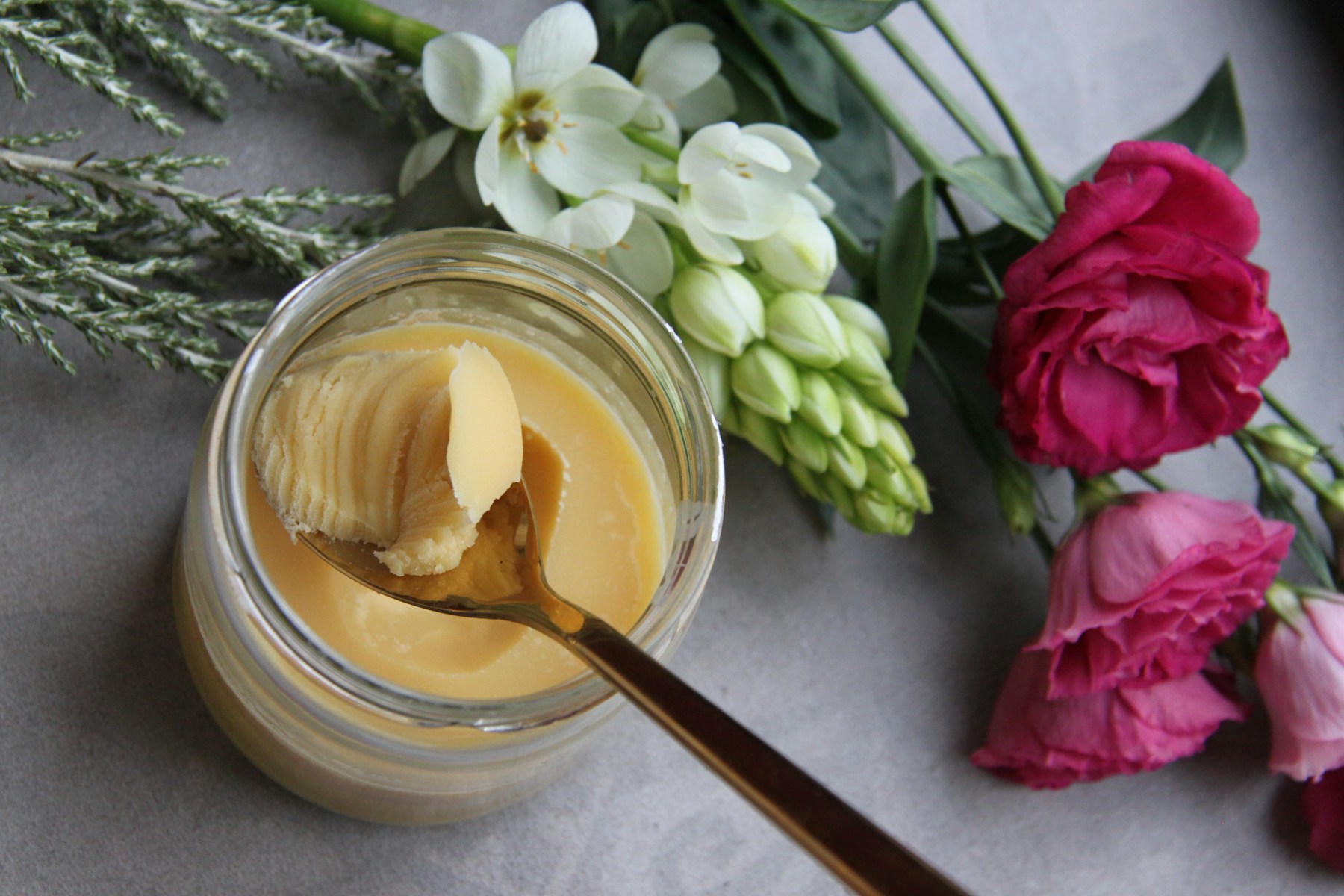
Most brands use INCI names: the International Nomenclature of Cosmetic Ingredients. The point is that an ingredient has the same name wherever the product is sold. Water is listed as Aqua. Plant ingredients use their Latin botanical name, sometimes followed by the common one, so shea butter appears as Butyrospermum Parkii (Shea) Butter.
The order
Ingredients are listed from the largest amount to the smallest. Below about 1%, the rules most brands follow allow the rest to be listed in any order. So the first five or so ingredients usually make up most of the product, and an ingredient that features on the front of the pack may sit well down the list.
A short way to read one
Look at the first five ingredients. That’s most of what you’re buying.
Find the water. If Aqua is first, the product is mostly water, which is normal for lotions and gels. Balms and oils often have no water at all.
Look for a preservative. Anything that contains water needs one to stay safe once opened.
Look at the end. Colourants are listed as CI numbers (for example, CI 77891), usually last.
One word, many ingredients
Parfum or Fragrance can stand for a blend of many components listed as a single word. Some markets, including the EU, require certain fragrance components that are known to cause allergies (such as limonene and linalool) to be named separately when they’re above a set level.
About “natural”
There’s no single legal definition of “natural” for cosmetics, so it means whatever the brand means by it. The ingredient list is a better guide than the word on the front.