From Wheat to Flour: What the Words on the Bag Mean
Bran, germ and endosperm, and what cake, bread, self-raising and stone-ground flour actually are.
A grain has
Bran, germ, endosperm
White flour
Mostly endosperm
For bread
Higher protein
Wholegrain flour
Keep cool, use sooner
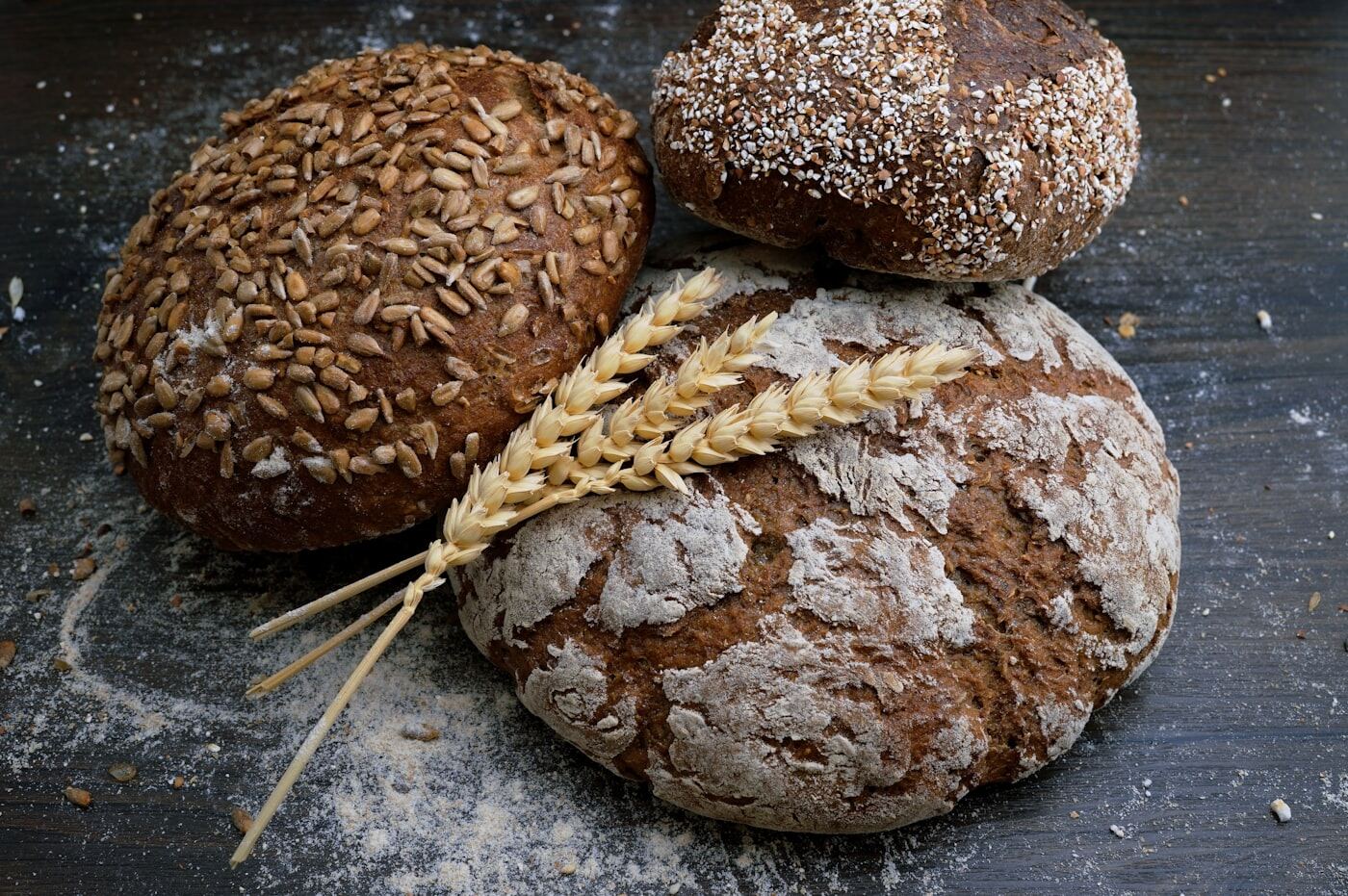
A grain of wheat has three parts. The bran is the tough outer layer. The germ is the small part that would grow into a new plant, and it contains most of the grain’s oil. The endosperm is the starchy middle, which makes up most of the grain.
White flour is mostly the endosperm. Whole wheat and wholegrain flours keep some or all of the bran and germ, which is why they’re darker, taste nuttier and absorb more water. How much they keep varies, so the ingredient list is worth a look.
The words on the bag
Cake flourIn South Africa, the everyday white flour, used for cakes, biscuits, sauces and general baking.
Bread flourWhite flour with more protein. When it’s mixed with water, that protein forms gluten, which gives bread its stretch and chew.
Self-raising flourFlour with a raising agent already mixed in. Useful for scones and quick cakes; not for yeast bread.
Stone-groundGround between stones rather than steel rollers. It’s slower and the flour is usually coarser, with the whole grain kept together.
Swapping one for another
Bread flour can stand in for cake flour in most baking, with a slightly chewier result. Going the other way, bread made with cake flour is softer and more crumbly. When replacing white flour with whole wheat, start with a quarter to a half of the total and add a little more liquid.
Keeping flour
The oil in the germ is what makes wholegrain flour go stale and bitter. Keep it somewhere cool, or in the freezer, and use it within a few months. White flour keeps much longer.