Planting for the rain you actually get: grouping, mulch, soil and when to water.
Water
Early or late, deeply
Mulch
A thick layer
Group
Plants by thirst
Start with
Local plants
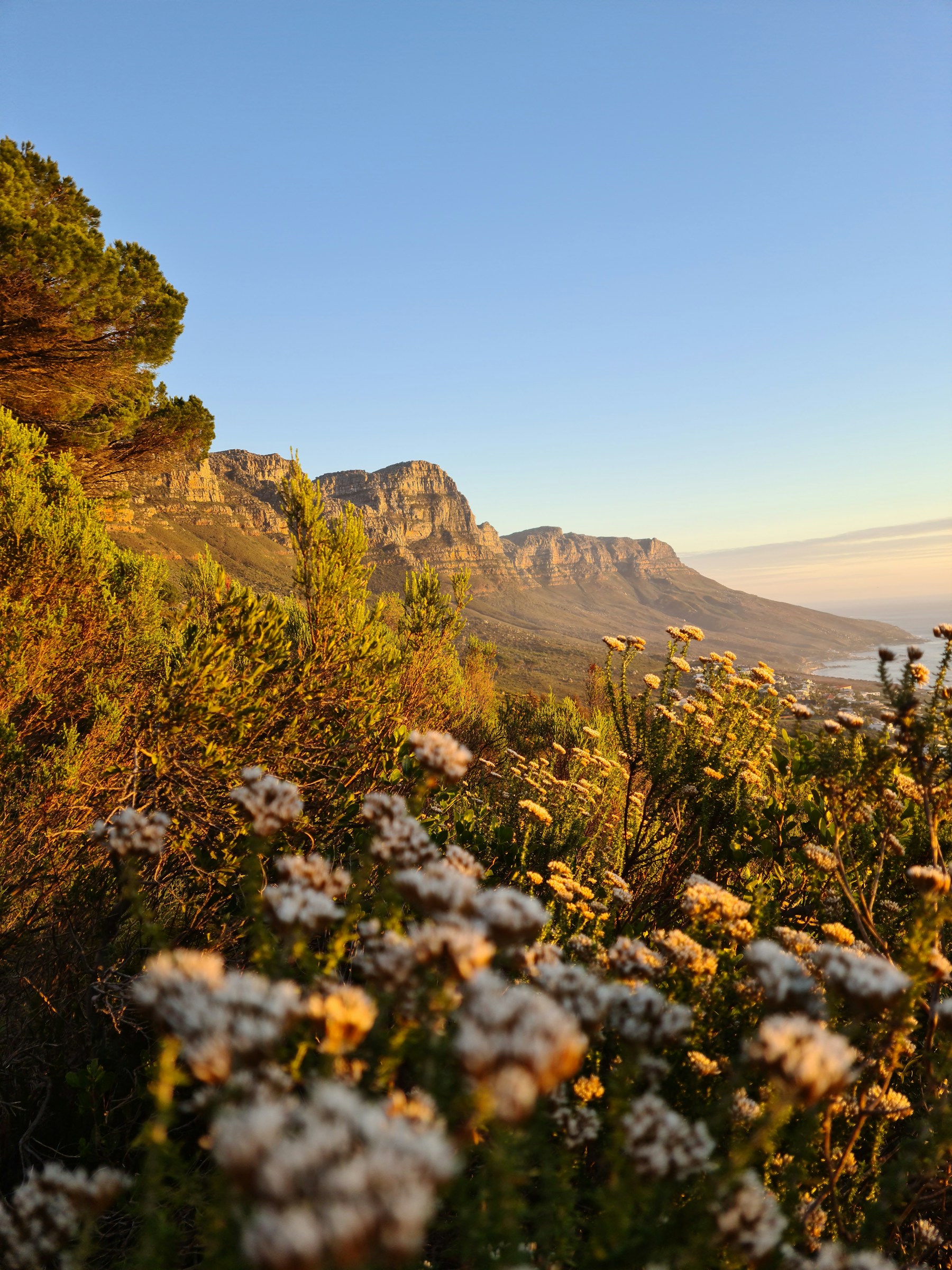
Much of South Africa is dry, and rainfall varies widely from place to place and year to year. Cape Town’s drought, which came close to taps running dry in 2018, made many people look again at how much water a garden needs. A water-wise garden is planned around the rain you actually get.
The main ideas
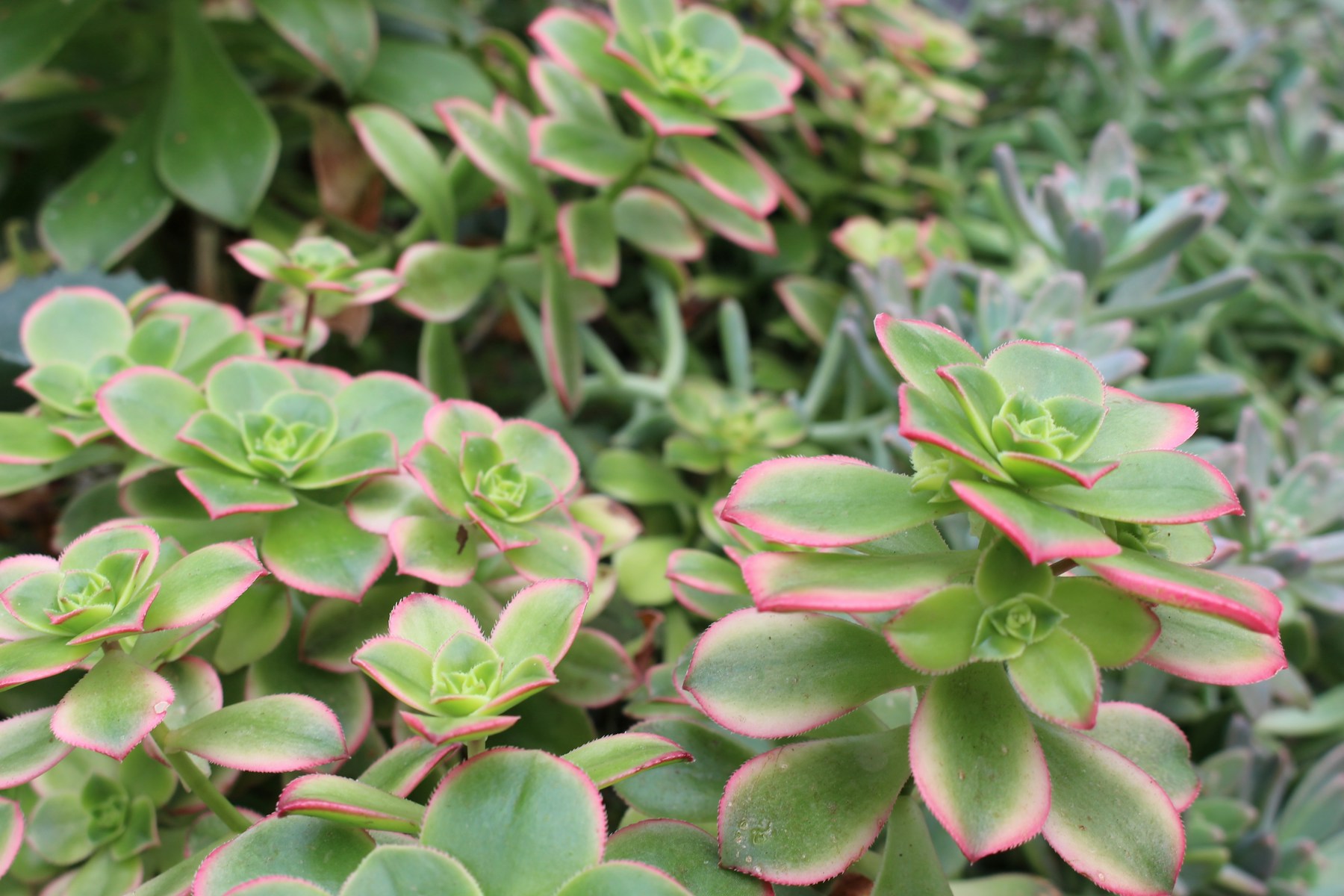
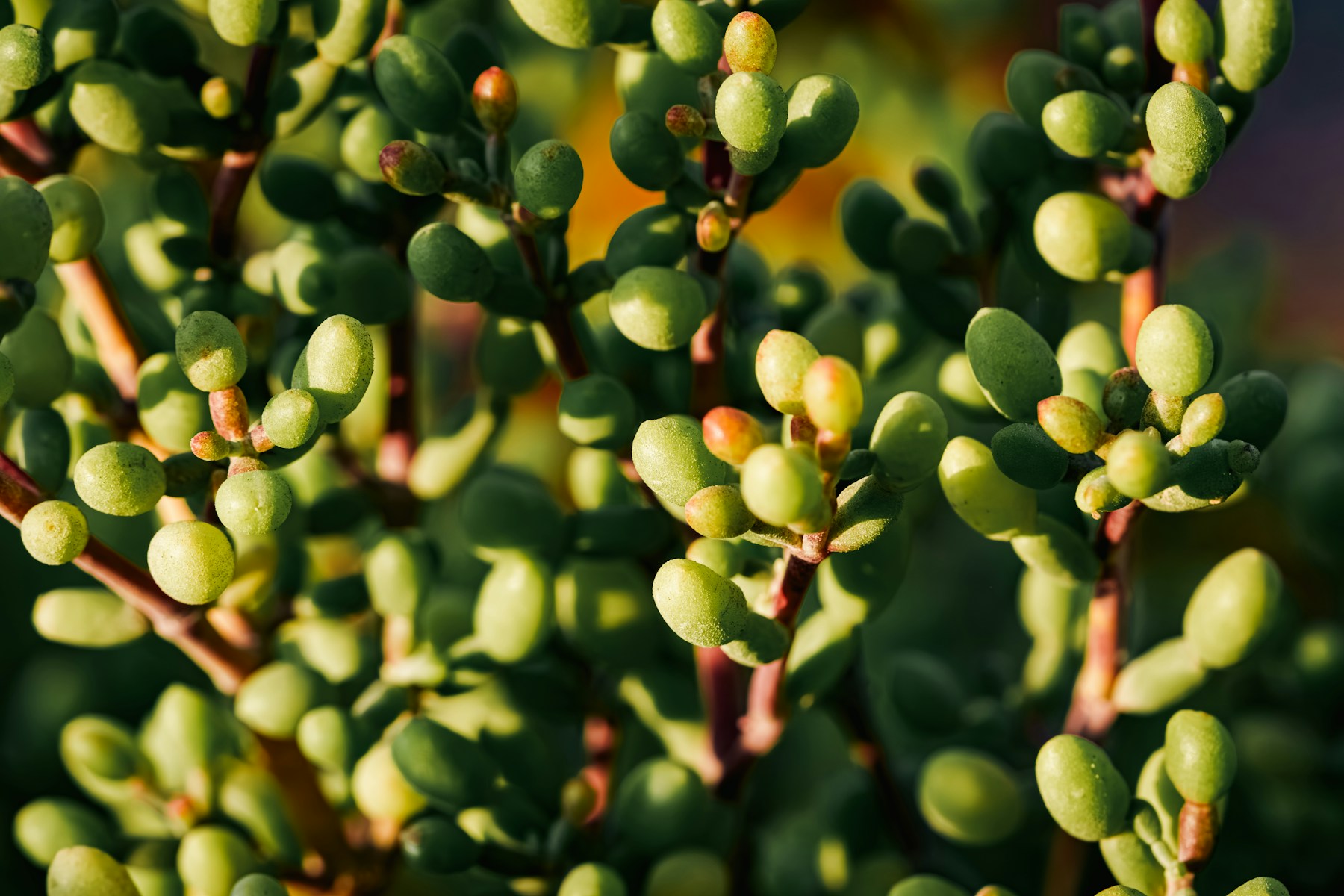
Choose for your areaPlants that are indigenous to your region are adapted to its rainfall and soil. A local nursery can tell you what does well nearby.
Group plants by thirstPut thirsty plants together, near the house or a tap, and plant tougher ones further out, so you’re not watering everything for the sake of a few.
MulchA thick layer of bark, leaves, straw or gravel over the soil slows evaporation, keeps roots cooler and holds back weeds.
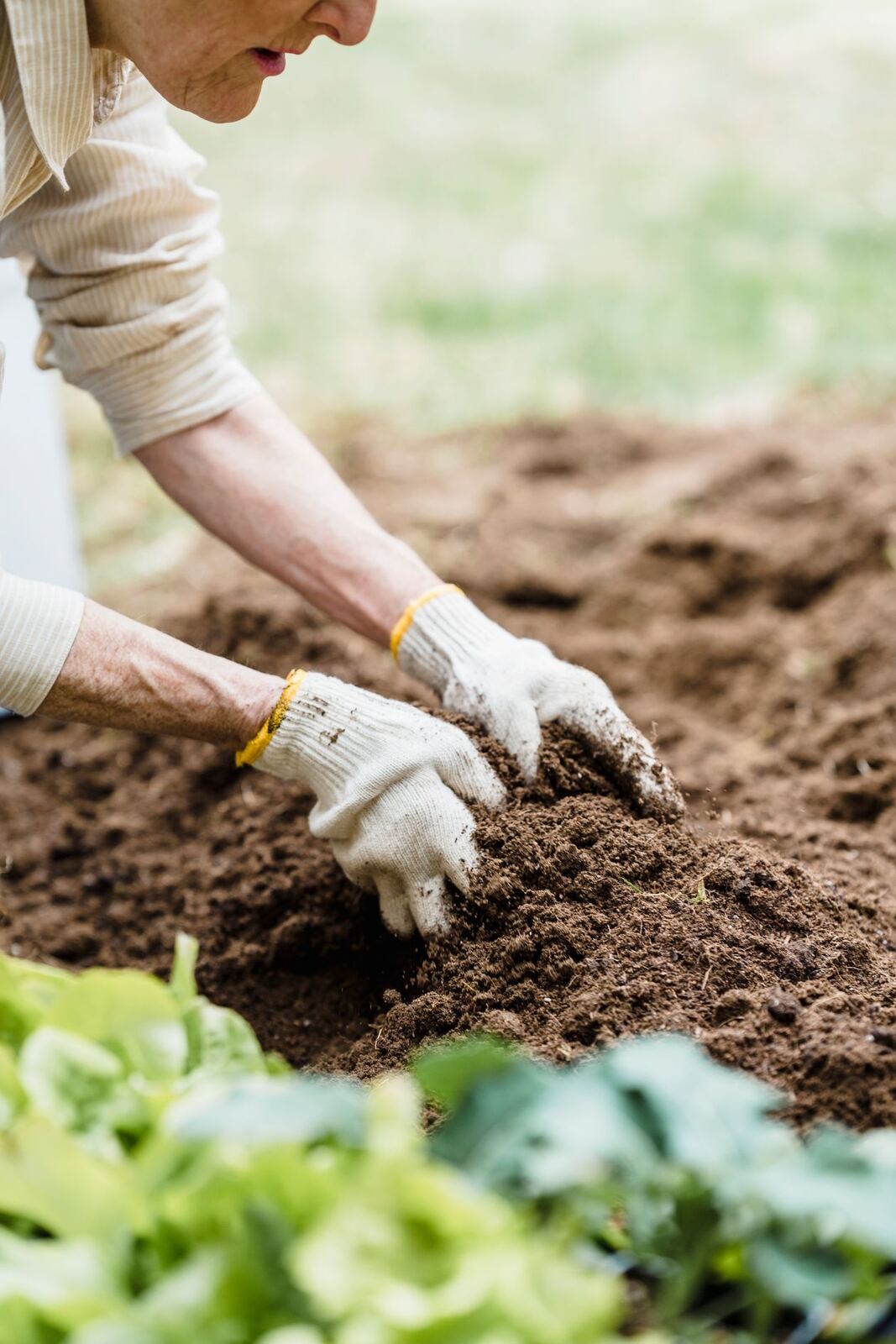
Feed the soilCompost helps sandy soil hold water and helps clay soil drain. Either way, roots can reach further.
Rethink the lawnLawn is usually the thirstiest part of a garden. A smaller one, or ground covers in its place, saves a lot.
Watering
Water early in the morning or in the evening, when less is lost to evaporation and wind.
Water deeply and less often. Roots grow down to follow the water, and deeper roots cope better with dry spells.
Water the soil, not the leaves. A drip line or a watering can at the base of the plant does more than a sprinkler.
Check before you water: push a finger into the soil. If it’s damp a few centimetres down, wait.
Collecting water
A rain tank on a gutter downpipe catches a surprising amount from a single storm. Check your local municipality’s rules on tanks and on using greywater before you start.