Greens, browns, air and water: the small lives that turn scraps into soil.
Ready in
2 months to a year
Mix
More browns than greens
Moisture
A wrung-out sponge
Hot heap
55–65°C
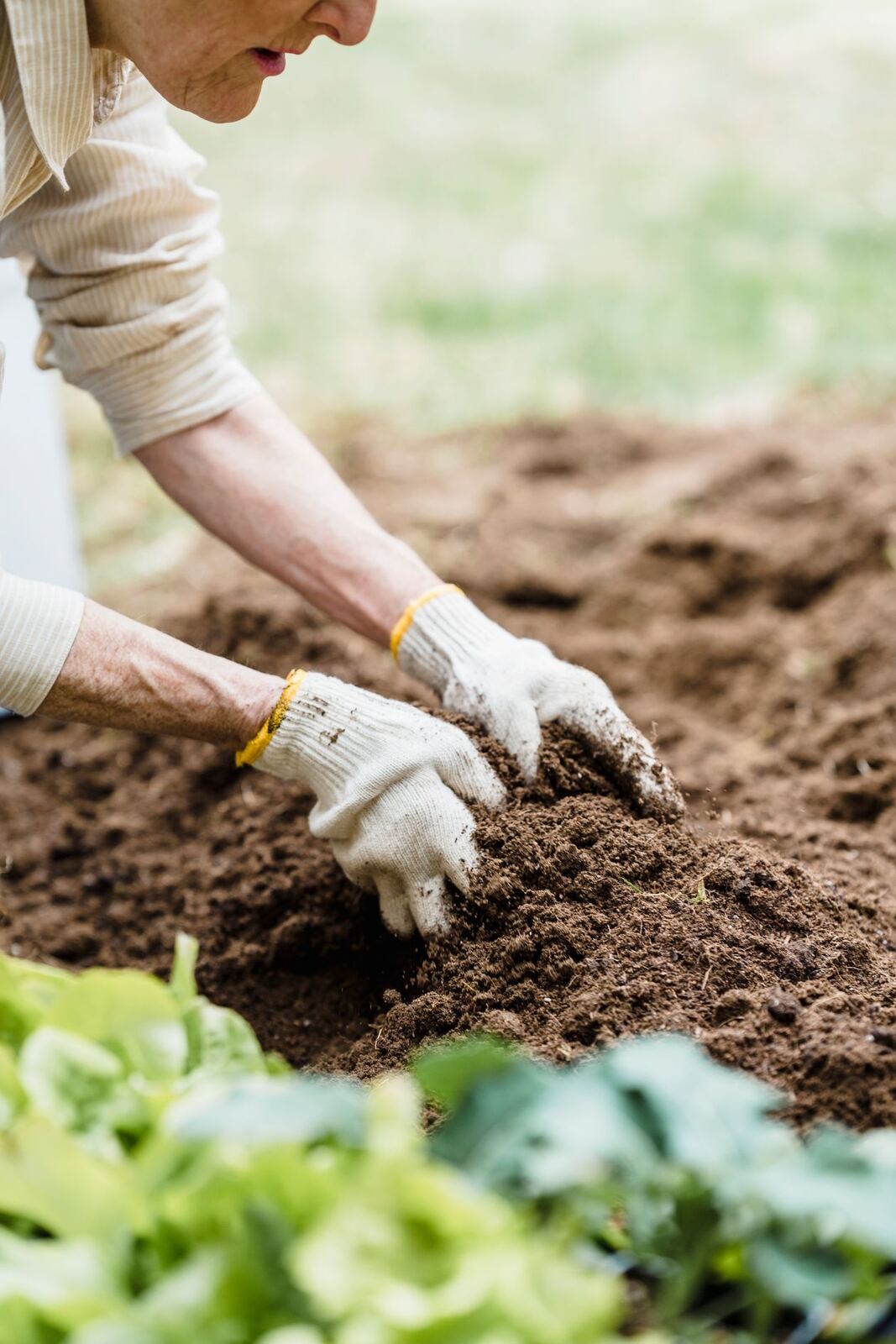
A compost heap is a busy place. Bacteria and fungi break down kitchen scraps and garden waste first; later, worms, mites and beetles move in and carry on. What’s left is compost: dark, crumbly and full of nutrients for the soil.
What it needs
GreensFresh, moist, nitrogen-rich material: fruit and vegetable scraps, coffee grounds, grass clippings.
BrownsDry, carbon-rich material: dry leaves, straw, shredded cardboard and paper. Most heaps work best with more browns than greens.
AirThe organisms doing the work need oxygen. Turning the heap now and then lets it in.
WaterDamp, like a wrung-out sponge. Too dry and everything slows down; too wet and it turns slimy and smells.
Hot and cold
A large heap with the right mix can heat up to around 55–65°C in the middle as the microbes work. Hot heaps break down faster, in a couple of months, and the heat kills many weed seeds. A small heap that’s added to bit by bit stays cool and takes longer, often six months to a year, but gets there.
If something’s wrong
Smells of ammoniaToo many greens. Mix in more browns.
Wet and slimyToo wet or too compacted. Add browns and turn it.
Nothing happeningProbably too dry, or too much brown material. Add water and some fresh greens.
PestsLeave out meat, fish, dairy and oily food in a home heap.