How bees turn nectar into honey, and the unusual bee of the south-western Cape.
Bee
Apis mellifera capensis
Water in honey
About 17–18%
Crystallising
Natural, not spoiling
Not for
Babies under one
South Africa has two native subspecies of honeybee. In most of the country it’s the savanna honeybee. In the south-western and southern Cape it’s the Cape honeybee, Apis mellifera capensis, which has an unusual trait: its worker bees can lay eggs that hatch into females, something workers of most other honeybees can’t do.
How nectar becomes honey
Foraging bees collect nectar from flowers and carry it back to the hive.
In the hive, bees pass it between them and add enzymes that break down its sugars.
They spread it into the wax cells and fan it with their wings until most of the water has evaporated, leaving honey with only about 17–18% water.
When it’s ready, they seal each cell with a cap of wax.
Honey’s colour and taste depend on the flowers the bees visited. Honey from a single dominant source can taste quite distinct: some light and floral, some dark and almost malty.
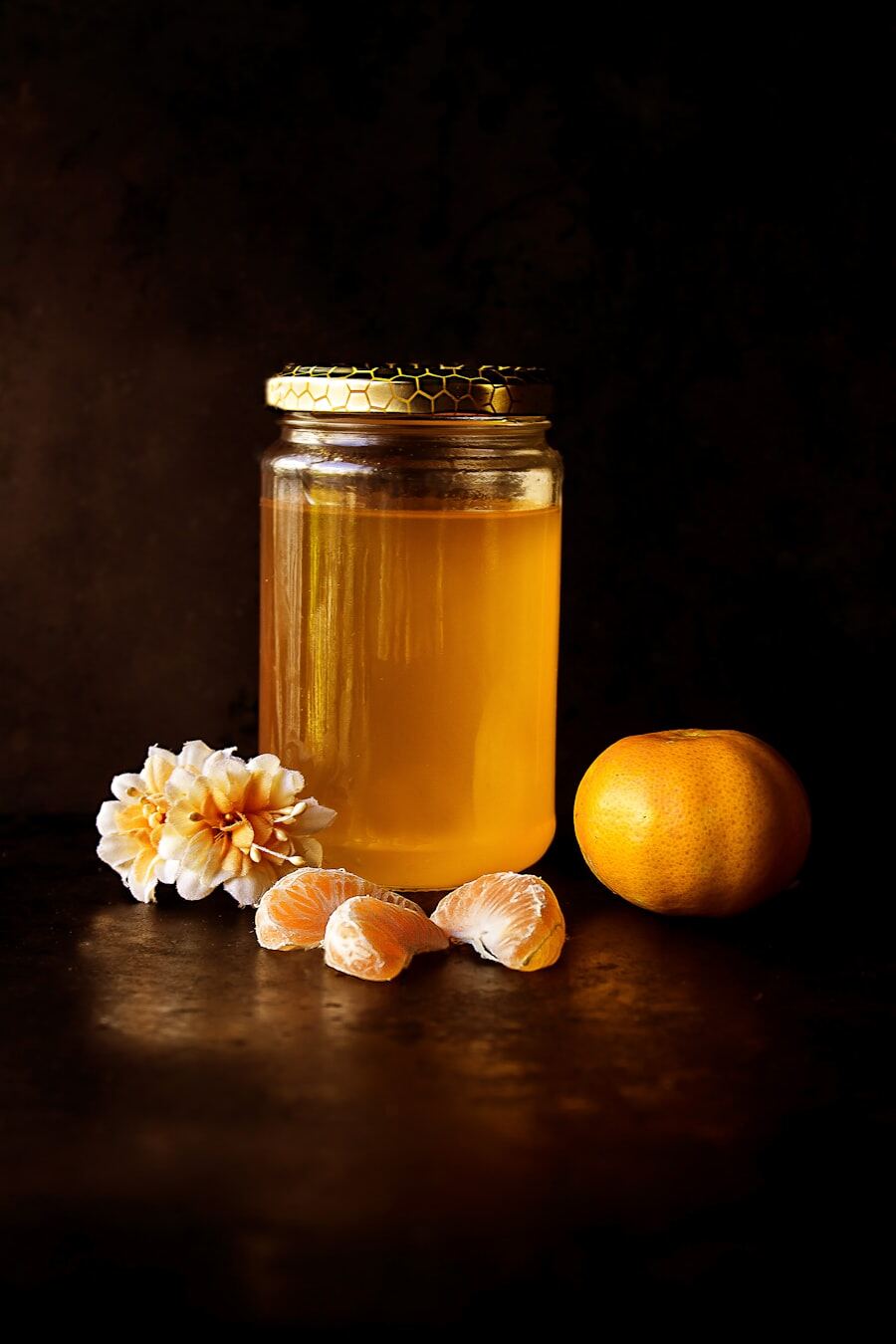
Crystallised honey is fineOver time many honeys thicken and turn grainy. That’s natural. Stand the jar in warm water and stir to make it runny again.
Store it simplyAt room temperature with the lid on. It keeps for a very long time.
Not for babiesHoney shouldn’t be given to babies under a year old.